Sept. 21, 2026

Why Luxury Buyers Keep Landing in Dr. Phillips Orlando


Dr. Phillips draws luxury buyers with Restaurant Row's dense fine-dining corridor, proximity to Bay Hill Golf Club and the PGA Tour's Arnold Palmer Invitational, amenity-rich gated subdivisions, and strong public-school options including an IB program, all within a residential community that sits minutes from Orlando's major attractions.


What makes Dr. Phillips one of Orlando's top luxury communities?

Dr. Phillips is a small, unincorporated community in southwest Orlando where upscale residential subdivisions sit within minutes of Restaurant Row, Bay Hill Golf Club, and the major theme parks. Census-based data puts the area's median household income at roughly $114,000 to $117,000, well above national averages, and more than half of residents hold college degrees. That combination of high incomes, strong schools, fine dining, and a residential character that stays distinctly separate from the tourist corridor is what keeps it on the short list for Central Florida luxury buyers.

Key Takeaways

  • Census-based data reports a median household income of $114,489 to $116,797 for Dr. Phillips, placing it firmly among Orlando's wealthiest ZIP codes.
  • Restaurant Row along Sand Lake Road concentrates dozens of upscale restaurants, Eddie V's, Fleming's, Christini's, Seasons 52, and more, within a one-to-two-mile stretch, making fine dining a realistic weeknight choice.
  • Dr. Phillips High School offers a visual and performing arts magnet program and one of fewer than ten International Baccalaureate diploma programs at public high schools in Orange County.
  • Bay Hill Club & Lodge, home of the PGA Tour's Arnold Palmer Invitational, gives the area a golf-centric luxury identity that few Orlando neighborhoods can match.
  • The community borders the theme-park corridor but maintains a residential, HOA-maintained character with gated subdivisions, lake views, and manicured landscaping rather than tourist-zone density.

What is the lifestyle like in Dr. Phillips, and what does Restaurant Row offer residents?

Restaurant Row is the daily lifestyle feature that separates Dr. Phillips from almost every other luxury address in Central Florida. It runs along Sand Lake Road between I-4 and Apopka Vineland Road, with the densest cluster of restaurants and retail anchored around Dr. Phillips Boulevard. Residents are not driving across town for a good dinner, they are choosing between a dozen serious restaurants within a mile or two of home.

The lineup covers a wide range of cuisines at a consistently elevated level:

  • Steakhouses and elevated American: Eddie V's, Fleming's Prime Steakhouse, Seasons 52, Chima Brazilian Steakhouse, The Whiskey
  • Italian: Christini's Ristorante Italiano, widely considered one of Orlando's top Italian destinations
  • International: Dragonfly Robata Grill & Sushi, Roy's (Hawaiian fusion), Cedar's (Lebanese)
  • Mixed-use dining setting: Dellagio Town Center, a Tuscan-inspired lifestyle center of more than 130,000 square feet at Via Dellagio Way, with courtyard fountains, European-inspired architecture, and tenants like Fleming's

Everyday grocery runs reflect the same sensibility. Both Trader Joe's (west end of Restaurant Row) and Whole Foods Market (east end) anchor the corridor, supporting a health-conscious, gourmet-oriented household profile. Add boutique fitness studios and upscale retail in the surrounding shopping centers, and most residents rarely need to leave the immediate area for day-to-day life.

I've worked with buyers who initially came to Dr. Phillips for the school options or the golf access and ended up just as sold on the idea that a Tuesday-night dinner out could mean Eddie V's without a 45-minute drive. That kind of everyday luxury is hard to replicate in most other Orlando ZIP codes.

How does Dr. Phillips compare to other Central Florida luxury areas, and what does the housing stock look like?

Dr. Phillips competes most directly with Lake Nona and a handful of other southwest Orlando communities for the luxury buyer's attention. What distinguishes it is a combination of maturity, location, and lifestyle infrastructure that newer master-planned communities are still building toward.

Housing character and subdivision types

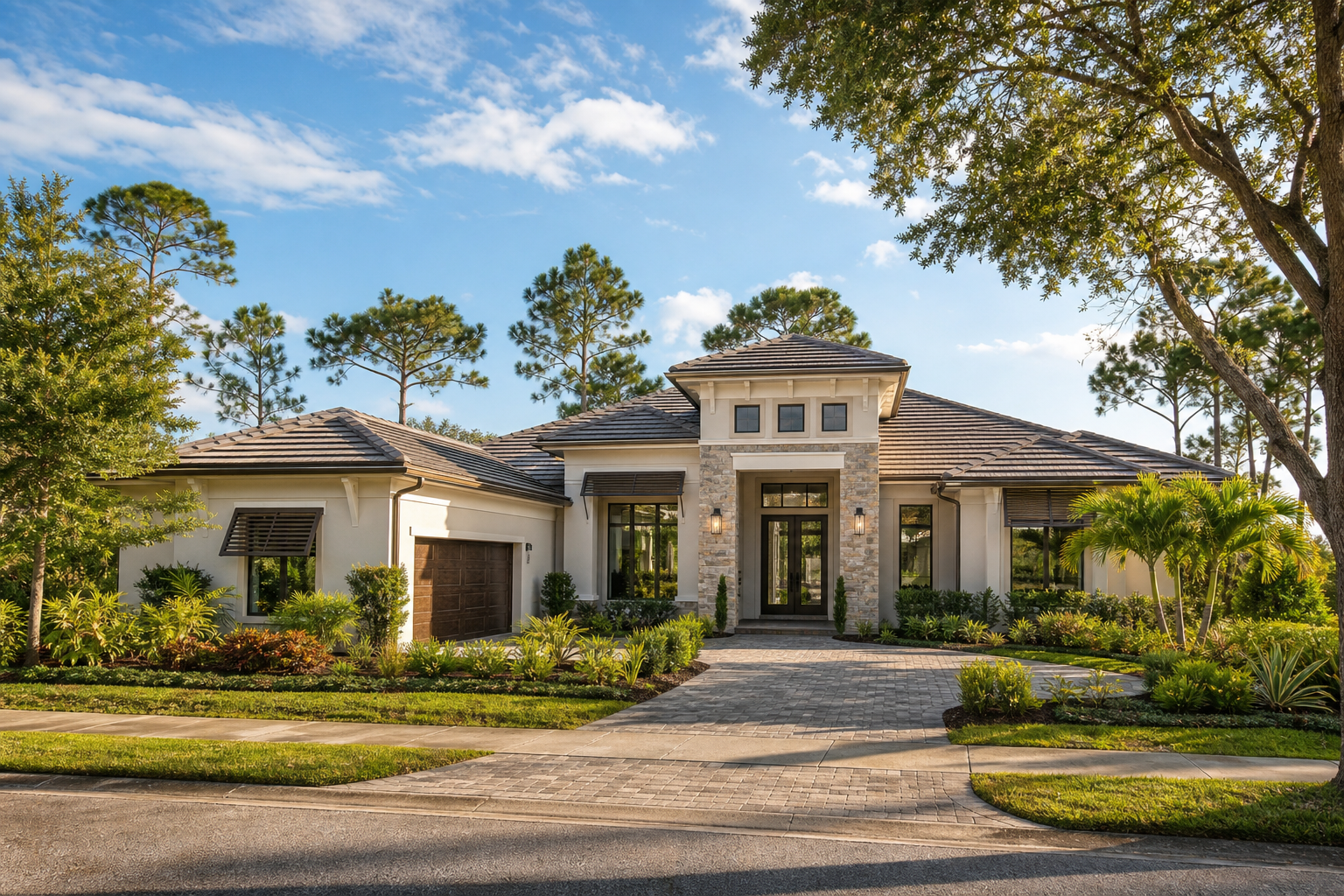
The housing stock in Dr. Phillips ranges from established executive homes to newer custom builds, with Mediterranean and Tuscan-inspired exteriors common throughout, an aesthetic that mirrors Dellagio's architecture and the broader southwest Orlando luxury vernacular. Many subdivisions feature:

  • Gated or controlled-access entries
  • HOA-maintained landscaping and common areas
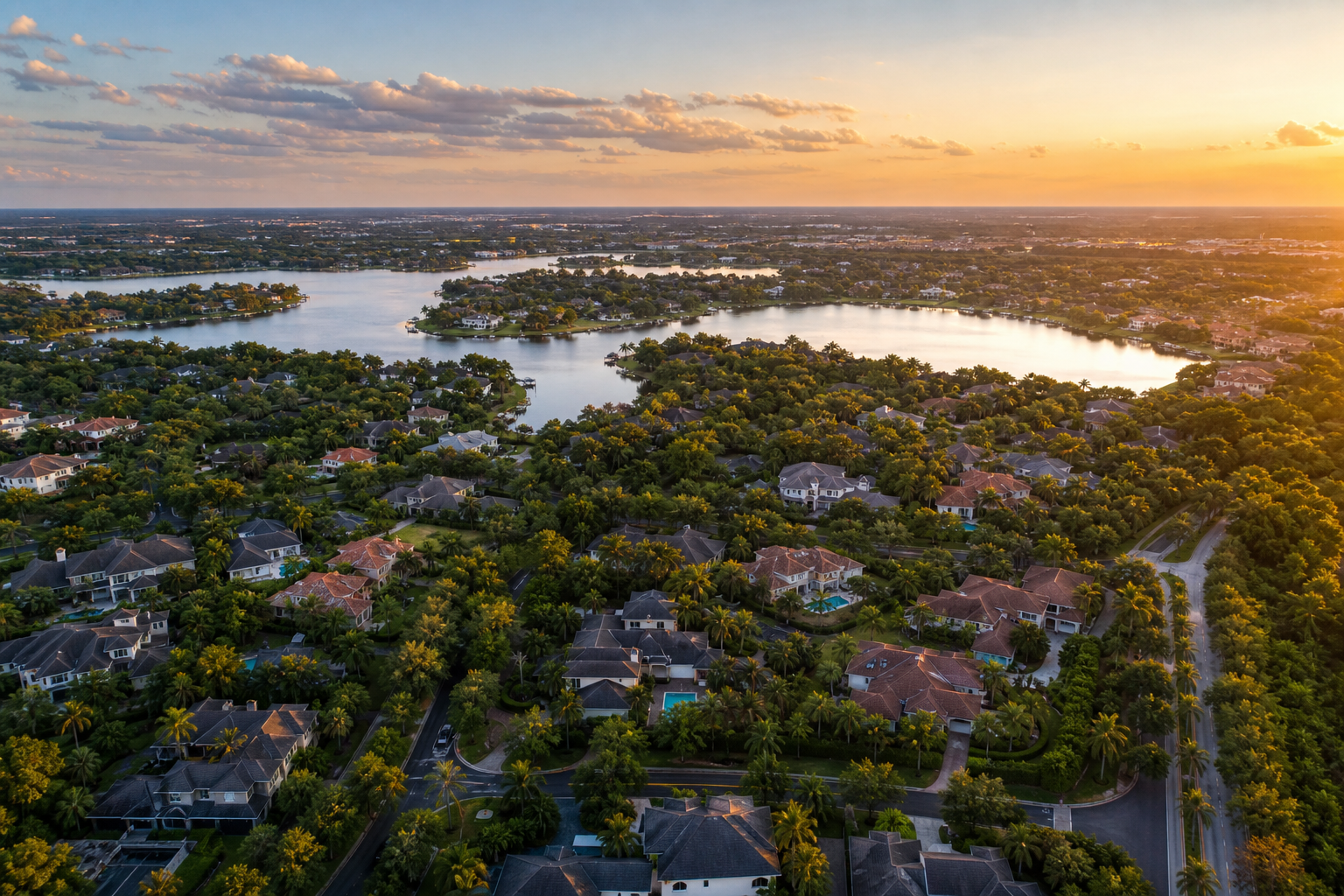
  • Lake views or water frontage, given the area's position near the Butler chain of lakes and Bay Hill
  • Larger lot sizes than you'll typically find in newer, more densely planned communities

If you want a sense of what's available right now, I've walked through a Dr. Phillips pool home under $900K that illustrates the kind of property the area produces at that price point. The combination of lot size, finish level, and location is genuinely difficult to find elsewhere in the metro.

Golf, recreation, and the Bay Hill factor

Bay Hill Club & Lodge is Arnold Palmer's home course and the annual host of the Arnold Palmer Invitational on the PGA Tour. For buyers who prioritize golf, that proximity is a meaningful differentiator. It is not just a nearby course, it is an internationally recognized venue with a private-club culture and social calendar that shapes the character of the surrounding community.

According to neighborhood data compiled from U.S. Census Bureau sources, the Dr. Phillips area has a median age of 43, with roughly 21% of residents under 18 and nearly 20% over 65. That age distribution supports a community feel that works for families with school-aged children and for empty nesters or retirees who want walkable dining and golf without sacrificing neighborhood quality.

Proximity to attractions without tourist-zone density

This is a point I emphasize with every relocating buyer who asks about southwest Orlando. Dr. Phillips sits close enough to Universal Orlando Resort, Walt Disney World Resort, and SeaWorld that a theme-park visit is a short drive, but the community itself reads as residential, not resort-adjacent. The landscaping is maintained, the streets are quiet, and the subdivisions are oriented around the people who live there, not the 60 million annual visitors who pass through the broader metro.

That balance is rare. Most of the markets in the attractions corridor trade residential character for convenience. Dr. Phillips manages to offer both.

What are the schools like in Dr. Phillips, and who typically calls this community home?

School options and the IB program

Dr. Phillips is served by Orange County Public Schools. Dr. Phillips High School stands out for two specialized programs: a visual and performing arts magnet and an International Baccalaureate diploma program, one of fewer than ten IB diploma programs offered at public high schools across the entire county. For families who want rigorous academics within the public system, that matters.

At the elementary level, Dr. Phillips Elementary School (PK-5, approximately 15:1 student-teacher ratio) serves the neighborhood, with private options like Orlando Jewish Day School (K-4, roughly 4:1 ratio) available nearby. The result is a reasonably complete K-12 pathway within the community, which is one reason families consistently cite schools alongside dining and golf when explaining why they chose Dr. Phillips over comparable luxury ZIP codes.

Community profile

The numbers behind the lifestyle are worth stating plainly. According to census-based neighborhood data, 95.2% of Dr. Phillips residents are high school graduates, 55.6% hold college degrees, and 24% hold advanced degrees, all above national averages. The median household income sits between $114,489 and $116,797 depending on the data source, with average household income reaching $151,035 in some estimates. The labor force participation rate is 64.4%.

That profile, highly educated, professionally employed, above-average income, shapes everything from the quality of the dining options to the character of HOA governance to the way the community maintains itself over time. It is not a coincidence that Restaurant Row exists here and not somewhere else in the metro.

If you are weighing Dr. Phillips against other parts of Central Florida, the specifics of your situation, price point, commute, school priorities, lot preferences, determine which community actually fits. That is the kind of conversation I have with buyers before we ever start touring homes, and it is where local, neighborhood-level knowledge makes a real difference.

Frequently Asked Questions

Is Dr. Phillips really one of Orlando's top luxury neighborhoods, and how does it compare to Windermere or Lake Nona?

Yes, Dr. Phillips consistently ranks among Orlando's wealthiest ZIP codes, with median household incomes between $114,000 and $117,000 based on census data. Compared to Windermere, it offers a denser lifestyle infrastructure (Restaurant Row, Whole Foods, Trader Joe's, Bay Hill) in a more walkable commercial core. Compared to Lake Nona, it trades some of that community's newer construction and medical-corridor proximity for a more established neighborhood character and one of the metro's most recognized fine-dining corridors. The right choice depends on your priorities, and I walk buyers through that comparison in detail before we start touring.

What is Restaurant Row in Dr. Phillips, and what restaurants and grocery options are there?

Restaurant Row runs along Sand Lake Road between I-4 and Apopka Vineland Road in southwest Orlando. It concentrates dozens of restaurants, from Eddie V's and Fleming's Prime Steakhouse to Christini's Ristorante Italiano, Dragonfly Robata Grill & Sushi, Seasons 52, and Chima Brazilian Steakhouse, within a one-to-two-mile stretch. Both Trader Joe's and Whole Foods Market anchor the corridor, making it a complete destination for both everyday grocery needs and special-occasion dining.

How close is Dr. Phillips to the theme parks and downtown Orlando, and does it feel residential?

Dr. Phillips sits in southwest Orlando near the I-4 corridor, putting Walt Disney World, Universal Orlando, and SeaWorld within a short drive. Despite that proximity, the community maintains a distinctly residential character, HOA-maintained subdivisions, manicured landscaping, and quiet streets rather than tourist-zone density. Downtown Orlando is accessible via I-4, and the Sand Lake Road commercial corridor handles most daily errands without requiring a trip into the city core.

What makes Dr. Phillips High School worth knowing about for families considering this area?

Dr. Phillips High School offers a visual and performing arts magnet program and an International Baccalaureate diploma program, one of fewer than ten IB programs at public high schools in all of Orange County. Those specialized tracks, combined with Dr. Phillips Elementary and nearby private options, give families a reasonably complete K-12 pathway within the community. For buyers who want luxury living and strong public-school options in the same ZIP code, this is a meaningful part of the value proposition.

What types of homes are common in Dr. Phillips, and how "luxury" does the typical property feel?

Dr. Phillips features a mix of established executive homes and newer custom builds, many with Mediterranean or Tuscan-inspired exteriors that echo the architecture at Dellagio Town Center. Gated or controlled-access subdivisions are common at the higher end, and water views or lake frontage are available given the area's proximity to the Butler chain of lakes and Bay Hill. HOA-maintained common areas and manicured landscaping are standard in most subdivisions, contributing to the polished, well-kept character that neighborhood guides consistently describe.

The Bottom Line on Dr. Phillips

Dr. Phillips earns its reputation not from one single feature but from how everything stacks together: Restaurant Row as a genuine weeknight lifestyle, Bay Hill for the golf-minded buyer, strong public-school options including an IB program, and gated subdivisions with lake views, all within a residential community that happens to sit minutes from the theme parks and I-4.

If you are seriously considering a move to Dr. Phillips or want to compare it to other Central Florida luxury markets, I would rather show you the data and walk you through the neighborhoods than have you rely on a general overview. Schedule a consultation and let's figure out whether Dr. Phillips is the right fit for what you're looking for.

About Eve Metlis

Eve Metlis is a third-generation Florida REALTOR®, a top 1% Orlando and Central Florida REALTOR®, and leader of the Eve Metlis Team at Watson Realty Corp. With more than 21 years of experience, she has helped buyers and sellers throughout Orlando, Ocoee, Winter Garden, and Central Florida, closing over 715 homes and more than $208 million in lifetime sales.

Watson Realty Corp. · 407-493-5225

Equal Housing Opportunity. Eve Metlis is a licensed REALTOR® regulated by the Florida Department of Business and Professional Regulation (DBPR). This article is general information only and does not constitute legal, tax, or financial advice, confirm your specific details with your title company, tax advisor, or lender. ALL INFORMATION IS DEEMED RELIABLE BUT NOT GUARANTEED; MEASUREMENTS ARE APPROXIMATE AND BUYERS OR THEIR AGENTS SHOULD VERIFY ALL CRITICAL DETAILS.
Posted in For Home Buyers
Sept. 18, 2026

Pricing Your Ocoee Home Right Starts With Local Knowledge


Accurate home pricing in Ocoee requires neighborhood-level data, not just area averages. With a median sale price around $421,580 and homes sitting 59 days on market, the gap between a well-priced listing and an overpriced one can cost you weeks and thousands of dollars.


Why does local expertise matter when pricing a home in Ocoee?

Pricing your Ocoee home accurately requires more than plugging an address into an online estimator. With a median sale price around $421,580 and a median of 59 days on market, Ocoee's market has enough variation by street, subdivision, and condition that a neighborhood-level read from an experienced local agent consistently produces better outcomes than a broad area average. The difference between a well-priced listing and an overpriced one in this market can mean weeks of extra carrying costs and a final sale price below what you would have netted by pricing it right from day one.

Key Takeaways

  • Recent local market data shows Ocoee's median sale price at $421,580, with homes averaging 59 days on market, longer than nearby Clermont at 24 days, which means pricing strategy and patience both matter here.
  • The Orlando-area median home price was approximately $410,500 in July 2026, according to ORRA data reported by MyNews13, with prices holding above year-earlier levels even as sales and new listings dipped.
  • With 133 active listings and only 32 new listings in the past 30 days, Ocoee's inventory is moving, but buyers have enough choices that an overpriced home gets skipped quickly.
  • No two Ocoee subdivisions price the same way: lot size, build year, HOA amenities, and proximity to major corridors all move the needle on value.
  • A local agent who knows Ocoee's specific comp pool will price your home to attract serious buyers in the first few weeks, the window when buyer interest is highest.

What does the Ocoee market actually look like right now?

Ocoee sits in a distinct position within the broader Central Florida market. Recent local market data puts the median sale price at $421,580, with homes spending a median of 59 days on market. That 59-day figure is meaningful context. Compare it to Clermont at 24 days and Windermere at 52 days, and you can see that Ocoee buyers are taking their time. They have options, and they know it.

The table below shows how Ocoee stacks up against two comparable Central Florida markets using the same trailing 90-day data window:

Area Median Sale Price Median Days on Market
Ocoee $421,580 59
Windermere $840,500 52
Clermont $435,000 24

That comparison matters when you're setting a price. A seller in Ocoee who prices as if they're in a fast-moving Clermont-style market may sit on the market far longer than expected. Meanwhile, the Orlando Regional REALTOR® Association reported that the broader Orlando-area median hit approximately $410,500 in July 2026, with both home sales and new listings dipping from June to July, even as prices remained above year-earlier levels. That tells me this is a market where buyers are selective, not absent.

With 133 active listings and 173 homes sold in roughly the past 90 days, Ocoee is moving, but not so fast that buyers will overlook a mispriced home. At 4.4 months of inventory across Greater Orlando, we're in a market that rewards precision. Overpricing by even 3-5% can push you past that first critical window of buyer attention, and that's hard to recover from.

Why the first weeks on market define your outcome

The moment your listing goes live, it hits the feeds of every active buyer and buyer's agent tracking Ocoee. That surge of attention is your best opportunity, and it doesn't repeat. If your price is off, those buyers pass, and they remember. A price reduction later rarely recreates that initial energy, and it signals to the market that something was wrong. I've watched sellers in Ocoee leave real money on the table because they started too high and chased the market down with reductions instead of pricing to capture it from the start.

What makes one Ocoee home worth more than another?

This is where generic online tools fall short. An automated valuation model sees an address and a square footage. It doesn't know that one street in Ocoee backs to a retention pond while the next one backs to a conservation buffer. It doesn't know that a particular subdivision's HOA includes a community pool and tennis courts, while the one three blocks away has minimal amenities and higher dues. It doesn't know that a 2004 build on a corner lot prices differently than a 2018 build mid-block, even if the square footage is nearly identical.

Here are the factors I weigh when pricing a home in Ocoee specifically:

  • Subdivision and HOA structure. Communities like Stoneybrook West and Westyn Bay carry different buyer expectations than smaller, lower-amenity neighborhoods. Amenity levels, HOA fees, and deed restrictions all affect what a buyer will pay.
  • Lot orientation and rear exposure. Water views, conservation backing, and privacy all add measurable value. So does a south-facing backyard for a buyer who wants afternoon sun on the pool.
  • Build year and update status. Ocoee has a wide range of construction vintages. A home built in the early 2000s with original finishes prices very differently from a comparable-sized 2015 build with updated kitchen and baths.
  • Proximity to SR-429, the Florida Turnpike, and downtown Ocoee. Commute access is a real driver in this market. Homes that offer quick access to major corridors tend to attract more buyer interest.
  • School attendance zones. I'll note these as a factual boundary, not a quality judgment, buyers with school-age children do their own research, and attendance zone lines can affect which comp pool is truly comparable.

None of these variables show up cleanly in an automated estimate. That's why neighborhood-level knowledge consistently outperforms broad market averages when it comes to pricing accuracy. Your specific number depends on your home's condition, street, and timing, and the only way to know it with confidence is to run a real comparative market analysis with someone who knows this market at the block level.

How I build a pricing strategy for an Ocoee home

When I sit down with a seller in Ocoee, I'm not looking at the city-wide median and calling it a day. I pull the closed sales that are genuinely comparable, same subdivision or immediate area, similar square footage, similar build year, similar condition, and I look at what those homes actually sold for, not just what they were listed at. List price tells you what sellers hoped for. Sale price tells you what buyers agreed to pay.

I also look at the active competition. If there are 12 other homes in your price range in Ocoee right now, buyers will compare yours to those 12 before they write an offer. Your price has to make sense relative to that specific set of alternatives, not just to the broader market. According to NAR research, homes priced competitively from day one sell faster and closer to list price than those that require reductions, and that pattern holds in Ocoee as clearly as anywhere.

I also factor in current absorption. With 173 homes sold in roughly 90 days against 133 active listings, the pace is real, but it's not frenzied. Buyers are comparing carefully. That means your pricing strategy has to account for what buyers in your price range are seeing across the whole Ocoee inventory, not just what you paid or what your neighbor got two years ago.

For a deeper look at how to approach pricing in a market that's shifted from the pandemic-era run-up, this breakdown of pricing in a 2026 correction market walks through the framework I use across Central Florida.

FAQ: Pricing a Home in Ocoee

How do I price my home in Ocoee compared with Orlando overall?

Ocoee's median sale price of $421,580 sits slightly above the broader Orlando-area median of approximately $410,500 reported in July 2026, but Ocoee's 59-day median days on market is longer than many surrounding areas. That means you can't simply use the Orlando-wide number as your benchmark, you need Ocoee-specific comps, ideally from your own subdivision or immediate corridor, to set a price that reflects what buyers in this specific market are actually paying.

What makes one Ocoee neighborhood worth more than another?

Lot exposure, HOA amenities, build year, update level, and proximity to major corridors like SR-429 and the Florida Turnpike all move value meaningfully within Ocoee. Two homes with identical square footage can price several tens of thousands of dollars apart based on these variables alone. A local agent with a current comp pull from your specific area will give you a far more accurate picture than any automated tool.

How much does days on market matter when pricing a home in Ocoee?

It matters a lot. At a median of 59 days on market, Ocoee buyers are not rushing. A home that's priced too high will sit past that initial window of peak buyer attention, and extended days on market signal to later buyers that something is off, which often leads to lower offers. Pricing accurately from the start is the single most effective way to avoid a long, discount-driven sale process.

Should I price above or below recent neighborhood comps?

Price at or very close to your strongest comparable sales, adjusted for your home's specific condition, updates, and lot. Pricing above comps without a clear, demonstrable reason, a significant update, a premium lot, a rare floor plan, typically results in extended days on market and eventual price reductions. Pricing just below the top of your comp range can generate competitive interest and, in some cases, multiple offers that push the final number up. Your agent should walk you through the specific comps before you decide.

What local data should I ask my agent to use for pricing?

Ask for closed sales from the past 90 days within your subdivision or immediate area, filtered by comparable square footage, bed/bath count, and build year. Also ask for active listings in your price range, those are your competition right now. A strong pricing consultation will show you both what has sold and what buyers are currently choosing between, so your list price makes sense in that specific context. You can also review broader ORRA market data for directional context on the wider Orlando market.

If you're ready to get a real number for your Ocoee home, I'd be glad to walk you through a full comparative market analysis. Schedule a consultation here and I'll bring the data specific to your street, your subdivision, and today's buyer pool.

About Eve Metlis

Eve Metlis is a third-generation Florida REALTOR®, a top 1% Orlando and Central Florida REALTOR®, and leader of the Eve Metlis Team at Watson Realty Corp. With more than 21 years of experience, she has helped buyers and sellers throughout Orlando, Ocoee, Winter Garden, and Central Florida, selling over 715 homes and closing more than $208 million in lifetime sales.

Watson Realty Corp. · 407-493-5225

Equal Housing Opportunity. Eve Metlis is licensed with Watson Realty Corp., regulated by the Florida Department of Business and Professional Regulation (DBPR). This article is general information only and is not legal, tax, or financial advice. Verify your specific numbers with your title company, tax advisor, or lender. ALL INFORMATION IS DEEMED RELIABLE BUT NOT GUARANTEED; MEASUREMENTS ARE APPROXIMATE AND BUYERS OR THEIR AGENTS SHOULD VERIFY ALL CRITICAL DETAILS.
Posted in For Home Sellers
Sept. 16, 2026

When to List Your Windermere Home for Maximum Impact


The strongest window to list a Windermere home is late winter through early summer, when Central Florida buyer activity peaks. In 2026, the Orlando-area market is balanced with roughly 4–4.5 months of supply and about 60–70 days on market, so strategic timing and preparation matter more than ever.


When is the best time to list a home in Windermere, FL?

The strongest listing window for Windermere sellers is late winter through early summer, typically late February through June. According to the Orlando Regional REALTOR® Association (ORRA), closed sales in the Orlando metro jumped roughly 25% from February to March 2026, confirming a consistent spring ramp-up in buyer activity. In a balanced mid-2026 market with about 4–4.5 months of supply and 60–70 days on market across the metro, timing your entry into that spring window, and arriving fully prepared, gives your listing its best shot at strong early traffic and competitive offers.

Key Takeaways

  • Recent local market data shows Windermere's median sale price at $849,000 with a median of 50 days on market as of September 2026, well above the Orlando metro median of $410,494 reported by ORRA for July 2026.
  • ORRA's July 2026 data shows 12,043 active listings and 4.4 months of supply across the Orlando MSA, a balanced market, not a seller's frenzy or a buyer's fire sale.
  • Closed sales in the Orlando metro surged roughly 25% from February to March 2026, making late winter the clearest launch point for a spring listing campaign.
  • Windermere sellers who plan to buy another Florida homestead after closing should apply for Save Our Homes portability by March 1 of the applicable tax year, it is not automatic.
  • In a 4-month-supply environment, multiple-offer scenarios are less automatic; strategic pricing from day one and high-quality marketing matter more than they did during the pandemic-era market.

What does the 2026 Windermere market actually look like right now?

Before you can time your listing, you need an honest read on the market you're entering. Windermere is not the same market as the broader Orlando metro, and 2026 is not 2021.

Recent local market data puts Windermere's median sale price at $849,000, with a median of 50 days on market and 242 active listings currently available. Over the past 90 days, 189 homes have closed and 62 new listings have come to market in the last 30 days alone. That is a meaningful amount of competition for buyers to sort through.

For context, here's how Windermere compares to two neighboring markets in the same trailing window:

Area Median Sale Price Median Days on Market
Winter Garden $549,990 17
Windermere $849,000 50
Clermont $435,000 21

Windermere's 50-day median is not a sign of trouble, it reflects the deliberate pace of a higher-end market where buyers take their time. But it does mean sellers need to plan for a longer marketing window than they might expect, and launch conditions matter enormously.

Zooming out to the full Orlando MSA, ORRA's July 2026 report shows an overall median price of $410,494 (up 1.9% year-over-year), 12,043 active listings, and 4.4 months of supply. That supply level is close to balanced, not the frenzied seller's market of 2021–2022, but not a distressed buyer's market either. I've written more about what this balanced market means for Central Florida sellers if you want the broader picture.

Why Windermere holds its own even when the broader market softens

Windermere's concentration of larger single-family homes and lakefront properties keeps its median price well above the metro average. Buyers shopping here are often less rate-sensitive than first-time buyers in entry-level suburbs, but they are significantly more discerning about condition and presentation. In an environment where inventory is at some of its highest levels in 15+ years, according to ORRA's June 2026 data, a home that looks and shows beautifully has a real competitive edge over one that doesn't.

When should you actually list, and how do you prepare?

Here's the honest answer: the best time to list is when your home is ready and the market is active. Those two things need to align. In Windermere, that means working backward from the spring window.

The spring ramp-up is real and documented

ORRA's March 2026 report confirmed what local agents see every year: buyer activity accelerates sharply from February into March and carries through June. ORRA's June 2026 data showed 4.1 months of supply and an average of 62 days on market, modestly tighter than April's 70-day average, indicating that early summer still carries real momentum. Days on market tend to lengthen again heading into late summer and fall.

For Windermere specifically, the spring window lines up with something else: school-year planning. Many buyers moving into this area are families coordinating a summer move so their children can start the new school year settled in. That means the buyers most motivated to close quickly are actively searching from late February through May. Listing in that window puts you in front of buyers with a deadline, and deadline-driven buyers are serious buyers.

What a realistic prep timeline looks like

Given Windermere's 50-day median, plan for your home to be fully market-ready before you go live, not in progress. I walk my clients through a pre-listing checklist that typically starts in January or February for a March or April launch. Here's the general framework:

  • January–February: Address deferred maintenance, complete any repairs, and finalize staging decisions. This is also when professional photography, video, and floor plans should be scheduled, not after you're already live.
  • Late February–March: Launch the listing with full marketing in place. The National Association of REALTORS® consistently reports that the first days on market generate the most buyer attention; arriving with everything polished from day one is not optional.
  • March–June: Peak showing season. Monitor ORRA's weekly data (their Monday Morning Quarterback reports are a useful real-time pulse) to see if days on market or new-listing volume is shifting, and adjust strategy accordingly.
  • If you miss the spring window: Early fall can be a secondary opportunity, but expect a longer marketing timeline. Late summer listings in Central Florida often contend with reduced showing traffic and, in some years, hurricane-watch distraction.

If you're wondering whether you've already missed the best window this year, I addressed that question directly in a separate post, the short answer is that timing matters, but pricing and preparation matter just as much.

Pricing strategy in a balanced market

In a 4-month-supply environment, multiple-offer situations are no longer automatic. Buyers have options, and they know it. Overpricing a Windermere listing in hopes of negotiating down is a strategy that backfires, it adds days on market, which itself signals to buyers that something is wrong, and often results in a lower final price than a well-priced launch would have produced.

Pricing right from day one is especially important in the luxury segment, where the pool of qualified buyers is smaller and each showing counts more. Your specific number depends on your home's condition, street, build year, and the most current comparable sales, that's exactly what a detailed market analysis is for, and it's the first thing I put together for every Windermere seller I work with.

What about homestead portability if you're selling and buying within Florida?

This is a question I get from Windermere sellers more often than you might expect, and the timing piece is critical.

Under Florida's Save Our Homes (SOH) portability rules, when you sell a homesteaded property and purchase a new primary residence in Florida, you may transfer up to $500,000 of your accumulated SOH benefit, the difference between your home's market value and its assessed value, to your new homestead. For longtime Windermere homeowners, that benefit can be substantial.

Two timing rules matter here. First, you have three tax years from January 1 of your last qualified homestead exemption to complete the transfer. Second, the portability application (Form DR-501T) must be submitted by March 1 of the year you're applying for. According to the Orange County Property Appraiser, portability is not automatic, you must apply when filing for your new homestead exemption. Missing that March 1 deadline means waiting another year, which can have real financial consequences.

The Orange County Property Appraiser's portability guidance walks through the application process in detail. I always recommend Windermere sellers who plan to buy another Florida homestead coordinate their sale and purchase timeline with both their agent and the property appraiser's office, the tax savings are worth protecting.

If you're selling your Windermere home and buying another property at the same time, I've covered the logistics of that process in detail here.

Frequently Asked Questions

What's the best month to list my Windermere home so it sells fastest?

March and April are historically the strongest months for listing a Windermere home, based on ORRA's documented spring ramp-up in buyer activity across the Orlando metro. Closed sales jumped roughly 25% from February to March 2026, and days on market tend to be shorter in spring than in late summer or fall. That said, the home needs to be fully prepared before it goes live, a rushed March listing outperforms a polished July one only if the preparation is genuinely complete.

Is spring really the best time to sell in Windermere, or is summer better in Central Florida?

Spring is the stronger window, with early summer (through June) still carrying solid momentum. ORRA's June 2026 data showed 4.1 months of supply and an average of 62 days on market, slightly tighter than April, so early summer is not a cliff. Late summer tends to see longer marketing times as buyer urgency fades after school enrollment decisions are made, and Central Florida's hurricane season can reduce open-house traffic in August and September.

How long are homes in the Orlando area sitting on the market in 2026?

ORRA's July 2026 data shows an average of 64 days on market across the Orlando MSA, and recent local market data puts Windermere's median at 50 days. That is a significant shift from the pandemic-era pace, and it means sellers should plan for a multi-week marketing period rather than expecting an offer in the first weekend. A well-priced, well-presented home in a prime Windermere location can still move faster, but the baseline expectation should be set realistically.

Does higher inventory in Orlando hurt Windermere sellers?

Higher inventory gives buyers more choices, which means a Windermere listing that is overpriced or under-prepared will sit longer than it would have in 2021. ORRA reported 12,043 active listings in July 2026, among the highest supply levels in over 15 years. The upside is that elevated inventory also attracts more buyers into the market overall, the key for Windermere sellers is standing out on condition, marketing quality, and pricing accuracy, not waiting for inventory to drop.

If I sell my Windermere homestead and buy another home in Florida, how does portability work?

Florida's Save Our Homes portability rules allow you to transfer up to $500,000 of your accumulated assessed-value benefit to a new Florida homestead. You must apply using Form DR-501T by March 1 of the tax year you're applying for, and the application window closes three tax years from January 1 of your last qualified homestead. The Orange County Property Appraiser's office handles portability applications for Windermere sellers, it is not automatic, and missing the deadline means losing the benefit for that year.

Every situation is different, and the only way to know exactly how portability affects your net picture is to run the timeline with someone who knows both the sale and the purchase side. That's a conversation I have with Windermere sellers regularly.

The bottom line on timing your Windermere listing

In a balanced mid-2026 market, timing alone won't carry a listing, but it gives a well-prepared home its best possible audience. The spring window is real, it's documented, and it's worth planning around. Start your preparation in January or February, launch by late February or March, and go to market with professional photography, accurate pricing, and a marketing plan that's strong from day one.

If you're thinking about listing your Windermere home and want a clear-eyed look at your specific timing, pricing, and preparation options, I'd be glad to walk you through it. Schedule a consultation here and let's build a plan around your home and your goals.

About Eve Metlis

Eve Metlis is a third-generation Florida REALTOR®, a top 1% Orlando and Central Florida REALTOR®, and leader of the Eve Metlis Team at Watson Realty Corp. With more than 21 years of experience, she has helped buyers and sellers throughout Orlando, Ocoee, Winter Garden, Windermere, and Central Florida. Eve has sold over 715 homes and closed more than $208 million in lifetime sales, combining proven real estate strategies, exceptional client service, and a results-driven approach.

Watson Realty Corp. · 407-493-5225

Equal Housing Opportunity. Eve Metlis is licensed with Watson Realty Corp., regulated by the Florida Department of Business and Professional Regulation (DBPR). This article is general information only and is not legal, tax, or financial advice. Readers should confirm their own figures with their title company, tax advisor, or lender. ALL INFORMATION IS DEEMED RELIABLE BUT NOT GUARANTEED; MEASUREMENTS ARE APPROXIMATE AND BUYERS OR THEIR AGENTS SHOULD VERIFY ALL CRITICAL DETAILS.
Posted in For Home Sellers
Sept. 15, 2026

The Orlando Housing Market Shock Most Sellers Don’t See Coming

Posted in For Home Sellers
Sept. 14, 2026

How Brightline Rail Is Reshaping Buyer Decisions in Orlando


Brightline's Orlando station at MCO has been operating since September 2023, connecting Central Florida to Miami in under three hours. For buyers, the rail link adds regional accessibility that can influence which corridors and neighborhoods make the most sense depending on how you work and travel.


How does Brightline rail affect Orlando real estate and accessibility?

Brightline's Orlando station at Orlando International Airport opened September 22, 2023, making it an operating regional rail connection rather than a future promise. The non-stop Miami-to-Orlando run clocks in at 2 hours 59 minutes, and the service runs 16 daily round trips with hourly departures. For buyers weighing Central Florida neighborhoods, that kind of regional connectivity is a real amenity worth factoring into a location decision.

Key Takeaways

  • Brightline's Orlando station at MCO has been running daily since September 22, 2023, with service Mon–Sun from 4:30 AM through the last departure of the day.
  • The non-stop Miami-to-Orlando run is 2 hours 59 minutes; the all-stops route is 3 hours 30 minutes, according to Brightline's official opening materials.
  • Brightline ran 16 daily round trips with hourly departures at launch, making it a practical option for frequent South Florida travelers, not just occasional visitors.
  • Future expansion stations in Cocoa and the Treasure Coast are still in planning, and a stop near the Orange County Convention Center has been discussed but not opened.
  • In the areas closest to the MCO/airport corridor, recent local market data shows a wide range of price points: Winter Garden's median sale price sits at $535,000 with a median of 19 days on market, while Ocoee is at $424,990 with 61 days on market.

Is Brightline already running from Orlando International Airport?

Yes, and that distinction matters. When buyers ask me about Brightline, the first thing I clarify is that this is not a proposal or a groundbreaking ceremony, Brightline opened its Orlando-to-South Florida service on September 22, 2023. The station is physically located at 10705 Jeff Fuqua Blvd. at Orlando International Airport, and it operates seven days a week starting at 4:30 AM.

That matters for buyers because an operating transit connection is a present-day amenity, not a future bet. If you travel regularly to Miami, Fort Lauderdale, or anywhere along Brightline's South Florida corridor, you can leave your car at home, park at MCO, and be in downtown Miami in under three hours. Brightline's own launch materials confirmed the non-stop Miami-Orlando run at 2 hours 59 minutes, with the all-stops version at 3 hours 30 minutes.

For comparison, driving I-95 from Orlando to Miami on a normal day runs four to five hours, and that's before you factor in traffic, tolls, or the mental cost of the trip. The rail option compresses that commute in a meaningful way for anyone making it regularly.

Which Orlando neighborhoods benefit most from Brightline access?

The honest answer is that proximity to MCO and the tourism/airport corridor is the most direct connection to Brightline right now. But the bigger story for neighborhood desirability is about what comes next, and how buyers today are positioning themselves for that future.

The MCO corridor and Lake Nona

Lake Nona sits closest to the MCO station geographically, and it already draws buyers who value airport proximity. Adding a functioning rail connection to South Florida reinforces that appeal for anyone in the healthcare, tech, or professional services sectors who travels frequently. If your work takes you to Miami or Fort Lauderdale even once or twice a month, shaving two-plus hours off that round trip is a real quality-of-life gain.

The Convention Center and tourism corridor

Brightline's planning discussions have included a potential station near the Orange County Convention Center and the broader tourism corridor, though that stop has not opened. The City of Orlando still frames the airport station as the current Orlando endpoint, so anything further west along International Drive remains forward-looking. That said, buyers considering neighborhoods like Dr. Phillips or MetroWest, both within reasonable distance of the Convention Center corridor, are watching this closely. A future stop there would change the commute math considerably for hospitality and convention industry professionals.

West Orange County: Ocoee, Winter Garden, Windermere

These communities don't sit on the Brightline line itself, but they benefit indirectly. A buyer relocating from South Florida who wants space, newer construction, and access to the broader metro still needs to get to MCO to catch a train home. The west Orange County communities I work in most, Ocoee, Winter Garden, Windermere, Clermont, offer that combination of livability and manageable airport access. Here's where the current market stands across those areas, based on recent aggregated public listing data trailing approximately 90 days as of September 2026:

Area Median Sale Price Median Days on Market
Ocoee $424,990 61
Winter Garden $535,000 19
Windermere $849,500 54
Clermont $435,000 20

These are area-level medians, an individual home's value depends on condition, street, build year, and timing. But the range tells a story: buyers have real options across price points in communities that all sit within a reasonable drive of MCO. And as I've written about in the broader Orlando housing market picture for 2026, inventory has risen and the market has balanced, which means buyers have more negotiating room than they did two or three years ago.

What does Brightline's next phase mean for Orlando buyers watching the long game?

Brightline's one-year Orlando service update confirmed that additional Florida expansion stations in Cocoa and the Treasure Coast are still in planning. That's important context: Orlando is already in-service, while the next growth phase remains forward-looking. Brightline also maintains ongoing planning materials for Orlando extension concepts, which signals the company views Central Florida as a corridor worth developing further.

For buyers, the practical takeaway is this: you're not speculating on rail service arriving someday. It's here. What you're evaluating is whether future stops or route extensions would make a specific neighborhood even more connected than it already is. That's a different and more grounded conversation than "buy here because rail is coming."

Neighborhood-level knowledge matters enormously when you're trying to assess which communities are genuinely positioned to benefit versus which ones are just adjacent to the conversation. That's the kind of analysis I walk my clients through before we ever start touring homes, because the right location decision depends on your specific commute pattern, work situation, and how you actually use the city.

According to a recent market summary for the Orlando area, the median list price in the broader market was around $415,000 as of August 2026. Combined with rising inventory, that means buyers who've been waiting for more leverage have it right now. Adding a transit amenity like Brightline into your location calculus is exactly the kind of factor that can help you make a more confident decision in a balanced market, and as I've covered in my post on finding stability in Orlando's shifting market, the buyers who move with clarity tend to come out ahead.

FAQ

How long does Brightline take from Orlando to Miami right now?

The non-stop run between Orlando and Miami is 2 hours 59 minutes, according to Brightline's official launch materials. The all-stops route takes 3 hours 30 minutes. Brightline launched 16 daily round trips with hourly departures when the Orlando service opened in September 2023, making it a practical option for regular South Florida travelers, not just occasional trips.

Is Brightline already running from Orlando International Airport?

Yes. Brightline's Orlando station at MCO has been operating since September 22, 2023, running Monday through Sunday starting at 4:30 AM. The station is at 10705 Jeff Fuqua Blvd. inside the airport's Intermodal Terminal Facility. This is an active, operating service, not a planned or proposed project.

Will Brightline ever add a stop near the Orange County Convention Center?

A Convention Center-area station has been discussed in Brightline's public planning conversations, but no such stop has opened as of September 2026. The City of Orlando still identifies the airport station as the current Orlando endpoint. Brightline has confirmed plans for future expansion stations in Cocoa and the Treasure Coast, so the broader Florida network is still growing, but a Convention Center stop remains forward-looking, not confirmed.

Which Orlando neighborhoods benefit most from Brightline access?

Lake Nona and the MCO corridor have the most direct connection to the existing station. Communities like Dr. Phillips and MetroWest are closest to the potential future Convention Center stop, if that ever materializes. West Orange County neighborhoods, Ocoee, Winter Garden, Windermere, Clermont, benefit indirectly through manageable airport access for buyers who travel to South Florida regularly. The right answer depends on your specific commute pattern, and that's worth talking through with a local agent who knows these corridors.

Does Brightline make homes near the airport or tourism corridor more desirable?

Operational transit access is a real amenity, and the MCO station is operating now. Whether it translates into a price premium depends on the individual buyer's priorities and the specific home, there's no universal rule. What I tell buyers is that transit connectivity is one factor in a location decision, not a guarantee of appreciation. The stronger case is that Brightline expands who can realistically live in Central Florida while maintaining ties to South Florida, and that broadens the buyer pool for certain corridors over time.

About Eve Metlis

Eve Metlis is a third-generation Florida REALTOR®, a top 1% Orlando and Central Florida REALTOR®, and leader of the Eve Metlis Team at Watson Realty Corp. With more than 21 years of experience, she has helped buyers and sellers throughout Orlando, Ocoee, Winter Garden, and Central Florida, closing over 715 homes and more than $208 million in lifetime sales.

Watson Realty Corp. · 407-493-5225

Equal Housing Opportunity. Eve Metlis is licensed with Watson Realty Corp., regulated by the Florida Department of Business and Professional Regulation (DBPR). This article is general information only and is not legal, tax, or financial advice. All information is deemed reliable but not guaranteed; measurements are approximate. Buyers and sellers should verify all critical details with their title company, tax advisor, or lender. ALL INFORMATION IS DEEMED RELIABLE BUT NOT GUARANTEED.

Posted in For Home Buyers
Sept. 11, 2026

New Construction vs Resale Homes in Ocoee FL


In Ocoee, new construction offers warranties, energy efficiency, and modern floor plans, while resale homes give you established neighborhoods, mature landscaping, and more negotiating room. The right choice depends on your timeline, budget, and long-term goals, and the 2026 market gives buyers real leverage in both categories.


Should you buy new construction or a resale home in Ocoee, FL?

In Ocoee's 2026 market, both options are genuinely competitive. New construction gives you modern building codes, builder warranties, and the ability to customize before you move in. Resale homes offer established neighborhoods, mature landscaping, and real negotiating leverage, recent data shows more than half of Ocoee homes are closing under list price. The better choice depends on your timeline, how much maintenance risk you can absorb, and what you plan to do with the home long-term.

Key Takeaways

  • Recent local market data puts the Ocoee median sale price at approximately $425,000, with homes spending a median of 60 days on market as of September 2026.
  • According to data through July 31, 2026, about 56.6% of Ocoee sales closed under list price, giving resale buyers real room to negotiate on price and repairs.
  • New construction homes in Ocoee typically come with builder structural warranties and meet current Florida energy codes, a meaningful advantage in Central Florida's heat and humidity.
  • Builder contracts in new construction differ significantly from standard resale purchase contracts; having independent representation before you sign is critical.
  • Florida Documentary Stamp Tax applies to the deed transfer on both new construction and resale purchases, it is a statutory cost on either path, not just on existing homes.

What does the Ocoee market actually look like in 2026?

Before you can choose between new construction and resale, you need an honest read on where the market stands. Here's what the numbers say.

Recent local market data shows a median sale price of approximately $425,000 in Ocoee, with a median of 60 days on market and 132 active listings as of early September 2026. That's a meaningful inventory level, enough that buyers aren't being forced into panic offers on either new or resale homes.

Dig a little deeper and the picture gets more nuanced. Redfin's July 2026 data puts the three-month median sale price at $447,000, down about 3.4% year-over-year, with homes averaging 30 days on market in that window. Zillow's data through July 31, 2026 shows an average home value of $416,545, a median sale-to-list ratio of 0.992, and, importantly, 56.6% of sales closing under list price. That last number matters a lot when you're deciding whether to negotiate on a resale or take a builder's incentive package instead.

Redfin also characterizes the Ocoee market as "somewhat competitive" as of early September 2026, not a frenzy, but not a buyer's market where you can lowball freely either. That characterization holds across both new and resale inventory right now.

For context on how Ocoee compares to nearby areas, here's a snapshot of recent area-level medians:

Area Median Sale Price Median Days on Market
Ocoee $425,000 60
Winter Garden $549,990 17
Windermere $862,000 53
Clermont $435,000 21

If you're comparing Ocoee to neighboring markets, I walk through those trade-offs in detail in my post on Ocoee vs. Winter Garden vs. Windermere.

New construction vs. resale in Ocoee: what actually matters?

The case for new construction

New construction in Ocoee today means homes built to current Florida building codes, and that's not a minor detail. Florida's energy efficiency requirements have tightened considerably over the past decade, and in a climate where your AC runs nine months of the year, newer insulation standards, low-E windows, and more efficient HVAC systems translate directly into lower monthly operating costs.

Beyond energy efficiency, new builds typically come with builder structural warranties covering major systems and components. That warranty coverage gives you a buffer against the repair surprises that can hit buyers of older homes in the first few years of ownership.

You also get floor plans designed for how people actually live today, open-concept kitchens, flex spaces, primary suites with larger closets. If you're moving from out of state or buying your first home, there's real value in knowing exactly what you're getting before you move in. According to the National Association of Realtors, new-home buyers consistently rank avoiding repair costs and getting desired features as top motivators.

The trade-offs are real, though. New communities in Ocoee often mean no mature trees, ongoing construction activity nearby while the neighborhood fills in, and HOA rules that can be more restrictive in newly formed communities. You're also buying into a neighborhood whose long-term feel you can't fully assess yet, traffic patterns, commercial development nearby, and community character all evolve over time.

One more thing buyers often miss: builder contracts are not the same as standard resale purchase contracts. They're written by the builder's legal team, they favor the builder, and they often include clauses around construction timelines, price escalation for materials, and mandatory use of the builder's preferred title company. I always recommend that buyers get independent representation before signing a builder contract, the builder's sales agent works for the builder, not for you.

The case for resale homes

Resale homes in Ocoee give you something new construction can't: a track record. You can walk the neighborhood at different times of day, see how the landscaping has matured, understand the actual traffic on your street, and know how the home has held up over time. That's valuable information, and it's information you simply don't have when you're buying into a community that's still being built.

The negotiating environment in Ocoee's resale market is also genuinely favorable right now. With more than half of homes closing under list price and a sale-to-list ratio just below 1.0, buyers have real room to push for price reductions, repair credits, or seller concessions. Zillow's July 2026 data confirms only 18.1% of sales closed above list price, which means the frenzied multiple-offer dynamic of a few years ago has cooled considerably in this market.

Established Ocoee neighborhoods also tend to have known school zoning, settled infrastructure, and community character that new developments are still building toward. If those factors matter to your decision, resale gives you certainty that new construction simply can't match on day one.

The honest trade-off: resale homes carry more maintenance risk. Roof age, HVAC condition, plumbing, and electrical systems in older homes all require scrutiny. A thorough inspection is non-negotiable, and even a solid inspection report doesn't eliminate the possibility of repair costs in years two through five. That's the flip side of the negotiating leverage, you're buying something that has aged, and you need to price that into your decision.

For buyers focused on value, I've also put together a look at what your money gets you in Ocoee under $525K, which gives a concrete picture of what resale inventory looks like at that price point right now.

How to make the right call for your situation

Match the choice to your timeline

If you need to move within 60 to 90 days, new construction is often off the table unless a spec home (already built and unsold) is available. Most new builds in the Ocoee area involve a construction timeline of several months to over a year. Resale inventory is available now, and with Ocoee's current median of 60 days on market, there's no shortage of options to consider.

If your timeline is flexible, new construction opens up. You get to make design choices, and you can often lock in a price while the home is being built, though builder contracts typically include provisions that can affect your final cost, so read carefully and have someone in your corner who has reviewed those contracts before.

Think through the investment angle honestly

If you're buying with an eye toward renting the home later, both paths have merit. New construction tends to attract tenants who want modern finishes and lower maintenance, and a home under builder warranty reduces your repair exposure in the early years of ownership. Resale homes, especially at a lower entry price point, can produce stronger initial cash flow if you buy at the right number.

The Consumer Financial Protection Bureau's homeownership resources are a good starting point for understanding the financial mechanics of both paths, but your specific numbers depend on the property, the financing, and local rental demand. That's a conversation worth having with someone who knows this market before you commit to either direction.

Don't overlook the closing process differences

In Central Florida, closings on both new construction and resale homes are handled by a title company, which manages the title search, settlement, and recording of the deed and mortgage. The key difference: builders often designate a preferred or affiliated title company in their contracts. You may have limited flexibility to choose your own. On resale transactions, the title company selection is typically more open to negotiation between buyer and seller.

On either path, Florida's Documentary Stamp Tax applies to the deed transfer under Section 201.02(1)(a), Florida Statutes. This is a statutory cost tied to the transfer itself, it applies whether you're buying a brand-new home or a 20-year-old resale. It is not unique to one path or the other, and it is not negotiable. The Florida Department of Revenue is the authoritative source on how doc stamps are calculated and applied.

For a broader look at how the Orlando market is behaving in 2026, my post on Orlando real estate in 2026 gives useful context for both buyers and sellers trying to read the current environment.

Frequently Asked Questions

Is it better to buy new construction or a resale home in Ocoee right now?

Neither is universally better, it depends on your timeline, budget, and priorities. New construction offers warranties and modern features but typically requires more lead time and less price flexibility. Resale homes in Ocoee currently offer real negotiating room, with more than half of recent sales closing under list price according to Zillow's July 2026 data. The right answer comes from running your specific scenario against what's actually available in the market today.

How competitive is the Ocoee housing market in 2026?

Redfin characterizes Ocoee as "somewhat competitive" as of early September 2026. Recent local market data shows 132 active listings and a median of 60 days on market, which gives buyers more breathing room than in peak years. Only about 18% of sales are closing above list price, so while you still need to be prepared to move decisively on well-priced homes, you're not in a frenzy market on either new or resale inventory.

What should I watch out for in builder contracts versus standard resale contracts in Central Florida?

Builder contracts are written by the builder's legal team and favor the builder, they often include clauses on construction timeline flexibility, materials cost escalation, and mandatory use of the builder's preferred title company. Standard resale contracts in Florida use forms developed by the Florida Realtors association and are more balanced between buyer and seller. On a new construction purchase, having your own agent review the contract before you sign is one of the most important steps you can take, the builder's sales agent represents the builder, not you.

Do I pay Florida Documentary Stamp Tax on a new construction home, or only on resales?

You pay Florida Documentary Stamp Tax on both. Under Section 201.02(1)(a), Florida Statutes, doc stamps apply to any document that transfers an interest in Florida real property, which includes the deed on a brand-new home just as much as a 15-year-old resale. This is a statutory cost, not a negotiable one, and it applies regardless of whether the property is new or existing.

Are new construction homes in Ocoee more expensive per square foot than resale homes?

Generally, yes, new construction tends to carry a premium per square foot compared to resale homes of similar size in the same area, reflecting the cost of current materials, labor, and builder margins. That said, the gap can be offset by lower near-term maintenance costs, energy savings from modern construction standards, and builder incentives like closing-cost credits or design-center allowances. The only way to compare accurately is to look at specific homes side by side, price per square foot alone doesn't capture the full cost picture over a five- or ten-year holding period.

ALL INFORMATION IS DEEMED RELIABLE BUT NOT GUARANTEED. MEASUREMENTS ARE APPROXIMATE AND BUYERS OR THEIR AGENTS SHOULD VERIFY ALL CRITICAL DETAILS.

The Ocoee market in 2026 gives you real options on both sides of this decision. If you're ready to work through which path fits your situation, I'm happy to walk you through it with a no-pressure consultation. Reach out here to get started.

About Eve Metlis

Eve Metlis is a third-generation Florida REALTOR®, a top 1% Orlando and Central Florida REALTOR®, and leader of the Eve Metlis Team at Watson Realty Corp. With more than 21 years of experience, she has helped buyers and sellers throughout Orlando, Ocoee, Winter Garden, and Central Florida, closing over 715 homes and more than $208 million in lifetime sales.

Watson Realty Corp. · 407-493-5225

Equal Housing Opportunity. Eve Metlis and the Eve Metlis Team are licensed with Watson Realty Corp., regulated by the Florida Department of Business and Professional Regulation (DBPR). This article is general information only and does not constitute legal, tax, or financial advice. Confirm your specific costs and transaction details with your title company, tax advisor, or lender.

Sept. 10, 2026

What $450K Gets You in Winter Garden’s Golf Cart District | 3-Bed Home

Sept. 9, 2026

Disney World Expansion and Orlando Real Estate


Walt Disney World's $17 billion expansion commitment is a long-term demand driver for Orlando and Central Florida real estate, particularly in areas like Windermere, Horizon West, and Dr. Phillips. Property values near Disney won't spike overnight, but buyers and sellers in 2026 should factor this multi-decade investment into their strategy.


How does Disney World's expansion affect Orlando real estate?

Walt Disney World's roughly $17 billion investment commitment in Florida, spread over 10 to 20 years, is one of the most significant long-term demand signals in Central Florida real estate. It won't move prices in a single quarter, but for buyers and sellers in communities like Windermere, Horizon West, Dr. Phillips, and Clermont, understanding the trajectory of that investment is part of making a sound decision in 2026.

Key Takeaways

  • Walt Disney World has publicly committed to investing approximately $17 billion in its Florida resort over 10–20 years, with active expansion projects confirmed as of 2026.
  • The planned "Beyond Big Thunder" Magic Kingdom expansion is reportedly comparable in scale to Star Wars: Galaxy's Edge at approximately 14 acres, making it potentially the largest addition in the park's history.
  • Recent local market data shows a median sale price of $437,500 in Clermont and $568,990 in Winter Garden, with Winter Garden homes selling in a median of just 8 days, signaling sustained buyer demand in Disney-adjacent communities.
  • Orlando's median list price of approximately $419,450 in July 2026 sits near the national median, positioning Central Florida as relatively accessible compared with coastal metros while still reflecting strong tourism- and employment-driven demand.
  • Disney's expansion is a gradual, multi-decade demand driver, not a single catalyst, so pricing decisions in 2026 should still be anchored to current local comps, not projected future appreciation.

What is Disney actually building, and when?

The headlines are real, but the timeline matters. According to Inside the Magic, Disney has publicly committed to investing approximately $17 billion in Walt Disney World Resort in Florida over the next 10 to 20 years. That covers park expansions, new attractions, hotels, and infrastructure improvements.

The most talked-about project is the "Beyond Big Thunder" expansion at Magic Kingdom. Florida Voice News reports this could be the largest expansion in Magic Kingdom's history, with a footprint comparable to Star Wars: Galaxy's Edge at Hollywood Studios, roughly 14 acres. That's not a minor addition.

In April 2026 court filings reported by BlogMickey, a Disney representative confirmed an ongoing expansion project covering new attractions, redevelopment of existing ones, and potentially new hotels. These are active capital projects, not aspirational announcements.

The Central Florida Tourism Oversight District, as of Q1 2026, has moved toward approving Disney's project requests, which enables more aggressive timelines. That regulatory tailwind matters for anyone trying to gauge whether these projects will actually get built.

What all of this means for real estate is nuanced. Because the $17 billion is distributed across a decade or more, the housing market impact will arrive in waves, not a single surge. I tell buyers and sellers in areas like Horizon West and Windermere to think of this as a structural tailwind, not a short-term price catalyst.

What does this mean for buyers and sellers in 2026?

Where is demand concentrating near Disney?

The communities with the most direct connection to Walt Disney World's western and southern corridors include Windermere, Dr. Phillips, Horizon West (Winter Garden), and parts of Clermont. The "Beyond Big Thunder" expansion is occurring on the western side of Magic Kingdom, which keeps attention on communities with easy access to that corridor.

Recent local market data reflects that demand. Here's how three key Disney-adjacent areas compare right now:

Area Median Sale Price Median Days on Market
Winter Garden $568,990 8
Windermere $850,000 53
Clermont $439,000 22

These are area-level medians from aggregated public listing data, trailing approximately 90 days as of September 2026. An individual home's value depends on condition, street, build year, and timing, but the table tells you something real: Winter Garden is moving fast. Eight days on market is not a buyer's market.

Clermont, with a median sale price of $437,500 and 15-day median days on market based on recent local data, offers a more accessible entry point for buyers who want proximity to the Disney employment and tourism corridor without the Winter Garden price point. Active inventory in the Clermont area sits at 751 listings, with 213 new listings in the last 30 days, there's more to choose from than a year ago, which gives buyers more room to be selective.

How should buyers think about the Disney factor?

If you're buying in a Disney-adjacent community in 2026, you're buying into a market where the largest single employer in the region is actively expanding its footprint. Realtor.com's July 2026 data shows Orlando's median list price at approximately $419,450, down 1.8% year-over-year and slightly below the national median of around $428,950. That positions Central Florida as relatively accessible compared with coastal metros, which is meaningful context for buyers weighing Orlando against other markets.

The practical implication: you're not buying at a speculative peak driven by Disney hype. You're buying into a market that's priced near the national average, with a long-term demand driver in place. That's a different calculation than chasing appreciation in a frothy market.

That said, short-term price behavior will still be driven by interest rates, employment, and overall inventory, not by Disney's construction schedule. I always walk buyers through the distinction between structural demand drivers and near-term market conditions. Both matter, but they operate on different clocks.

For buyers interested in short-term rental properties, Disney's growing park capacity is a real draw, but viability depends heavily on local zoning, HOA rules, and county ordinances. Those regulations can shift over the same 10-to-20-year horizon as Disney's investment. Before you buy a vacation rental near Disney, you need to confirm that the specific property and community actually permit short-term rentals. I've seen buyers overlook this and end up with a property they can't operate the way they intended.

For a broader picture of where the Orlando market stands heading into fall 2026, my Orlando Housing Market 2026 update covers the inventory and pricing trends in detail.

How should sellers think about the Disney factor?

Here's the honest answer: Disney's expansion plans are not a substitute for accurate pricing. The market in 2026 is not at peak frenzy. Sellers who price against current comps and present their homes well will move them. Sellers who price on the assumption that Disney's future plans justify a premium above what the data supports will sit on the market and likely end up reducing.

Neighborhood-level knowledge matters more than any headline when you're pricing an Orlando-area home. The "Disney halo" is real, but it's already baked into the pricing of well-located communities like Dr. Phillips and Windermere. What moves the needle on your specific home is condition, street, build year, and how your listing competes with what else is active right now.

Where sellers in Disney-adjacent areas can legitimately lean into the expansion narrative is in positioning, not pricing. Framing your home around proximity to a growing employment and tourism hub, infrastructure improvements along corridors like SR 429 and SR 535, and long-term amenity value is accurate and compelling. Just don't let that framing push your list price above what recent closed sales will support.

The most recent Orlando housing market data gives you the clearest picture of where comps are landing right now.

What about Florida's closing costs and taxes?

Whether you're buying or selling near Disney, Florida's closing process runs through a title company, not an attorney. The title company handles the title search, title insurance, closing documents, and recording. Which party selects the title company is negotiable in the contract, as is who covers certain closing costs.

One cost that is set by statute rather than negotiation is Florida's Documentary Stamp Tax on deeds. According to the Florida Department of Revenue, the rate is $0.70 per $100 (or portion thereof) of the total consideration paid, statewide, except in Miami-Dade County, which has a different rate structure. Florida's Office of Economic and Demographic Research confirms this statewide default rate. The tax rate itself is fixed by law; who pays it at closing is negotiable between buyer and seller and specified in your contract.

I won't put a dollar estimate on your closing costs here, that depends on your specific transaction, loan type, and what's negotiated in your contract. What I will say is that the only way to get an accurate picture of your net proceeds or total out-of-pocket is to run the numbers with someone who knows this market and your specific situation. That's exactly the kind of conversation I have with every client before we put a strategy together.

FAQ

How will Disney's "Beyond Big Thunder" expansion affect home values near Walt Disney World over the next 5–10 years?

The expansion is a long-term demand driver, not a short-term price spike. Because Disney's $17 billion investment is spread over 10 to 20 years and major projects like "Beyond Big Thunder" are still in active development as of September 2026, measurable price impacts in nearby communities like Windermere, Horizon West, and Dr. Phillips are likely to unfold gradually. Buyers who purchase in Disney-adjacent areas today are positioning for that multi-year trajectory, but near-term prices will still be driven by rates, inventory, and local comps.

Is the Orlando housing market still competitive in 2026, or have buyers gained negotiating power?

It depends on the submarket. Recent local market data shows Winter Garden's median days on market at just 8 days, that's a seller's market by any measure. Clermont, at a median of 22 days and 751 active listings, gives buyers more options and more room to negotiate. Orlando's overall median list price of approximately $419,450 in July 2026 is near the national average, which means the market has moderated from its peak but hasn't shifted dramatically in buyers' favor across the board.

Does Disney's $17 billion Florida investment make it a good time to buy a vacation rental in Central Florida?

Disney's long-term growth supports the case for tourism-driven rental demand, but the viability of any specific short-term rental investment depends on the property's location, the community's HOA rules, and local zoning and county ordinances, all of which can change over time. Before purchasing a vacation rental near Disney, verify that short-term rentals are actually permitted for that specific property and community. The investment thesis has merit; the execution requires local due diligence.

If I'm selling a home in Orlando in 2026, should I price higher because of Disney's expansion plans?

Price against current closed comps, not future Disney projects. The expansion narrative is useful for positioning your listing, proximity to a growing employment and tourism hub is a real selling point, but buyers and their agents will be comparing your home to what else has sold recently, not to a construction timeline. Sellers who overprice based on anticipated future appreciation typically end up reducing, which costs more time and net proceeds than pricing accurately from the start.

How do Florida's Documentary Stamp Tax and title company fees affect my bottom line when buying or selling near Disney?

Florida's Documentary Stamp Tax on deeds is set by statute at $0.70 per $100 of consideration in most Central Florida counties, per the Florida Department of Revenue, but who pays it is negotiable in your contract. Title company fees, recording costs, and other closing items are also negotiable between parties or depend on your specific loan and transaction structure. The only way to know your actual bottom line is to review a detailed estimate from your title company and discuss it with your agent before you commit to a price or offer.

The bottom line for buyers and sellers near Disney

Disney's $17 billion expansion commitment is one of the most durable long-term demand signals in Central Florida real estate. It won't transform your home's value overnight, and it isn't a reason to overprice or overbid. But it does mean that communities like Windermere, Horizon West, Dr. Phillips, and Clermont have a structural tailwind behind them that most markets don't, and that matters whether you're buying for the long term or positioning a listing for sale.

If you want to understand exactly how Disney's expansion intersects with your specific property's value or your buying strategy in 2026, I'm happy to walk you through it. Schedule a consultation with the Eve Metlis Team and we'll build a plan around your actual numbers, not the headlines.

About Eve Metlis

Eve Metlis is a third-generation Florida REALTOR®, a top 1% Orlando and Central Florida REALTOR®, and leader of the Eve Metlis Team at Watson Realty Corp. With more than 21 years of experience, she has helped buyers and sellers throughout Orlando, Ocoee, Winter Garden, and Central Florida, closing over 715 homes and more than $208 million in lifetime sales.

Watson Realty Corp. · 407-493-5225

Equal Housing Opportunity. Eve Metlis is licensed with Watson Realty Corp., regulated by the Florida Department of Business and Professional Regulation (DBPR). This article is general information only and is not legal, tax, or financial advice. Verify all costs, tax obligations, and transaction details with your title company, tax advisor, or lender. ALL INFORMATION IS DEEMED RELIABLE BUT NOT GUARANTEED; MEASUREMENTS ARE APPROXIMATE AND BUYERS OR THEIR AGENTS SHOULD VERIFY ALL CRITICAL DETAILS.
Sept. 8, 2026

Are New Construction Homes Cheaper Than Resale Homes in Central Florida?

Sept. 7, 2026

Lake Nona Medical City: Relocation Guide for Orlando


Lake Nona Medical City is one of Orlando's fastest-growing live-work hubs, anchored by major hospitals, research institutions, and a master-planned community. Home prices range from the mid-$600s in Lake Nona Central to $2M-plus in Lake Nona Estates, and the market has more inventory and breathing room for relocating buyers than it did two years ago.


Is Lake Nona Medical City a good place to live for relocating professionals and families?

Lake Nona Medical City is one of the most compelling destinations for professionals and families relocating to Orlando. It combines a major healthcare and research employment hub with a well-designed master-planned community, putting hospitals, trails, restaurants, and new construction homes within a few miles of each other. As of mid-2026, the housing market has cooled from its 2022-2023 peaks, giving relocating buyers more time and more choices than they had just a few years ago.

What Makes Lake Nona Medical City Different from the Rest of Orlando

I work with relocating clients all across Central Florida, and Lake Nona comes up constantly, especially for anyone taking a role in healthcare, biotech, research, or health-tech. The reason is straightforward: Medical City is not just a hospital campus. It is a concentrated cluster of major institutions, including UCF's College of Medicine, the VA Medical Center, Nemours Children's Hospital, and several other health-system anchors, all built in close proximity and surrounded by a planned residential community.

That combination is rare. Most employment hubs in Orlando require a significant commute to reach housing you actually want to live in. Lake Nona was designed from the ground up so that the people who work there can also live, shop, dine, and recreate within the same footprint.

Location and Commute Context

Lake Nona sits in southeast Orlando, roughly 10 to 15 minutes from Orlando International Airport (MCO) and about 20 to 30 minutes from downtown Orlando depending on traffic. For professionals who travel frequently for conferences or who relocate from out of state and still have family elsewhere, that airport proximity is a real quality-of-life factor.

Access to Florida's highway network via the 417 (Central Florida GreeneWay) makes getting to other parts of the metro manageable, though like anywhere in the Orlando area, peak-hour traffic on major corridors is a real consideration. I always tell clients to do a test drive at their actual commute time before committing to any neighborhood.

The Job Landscape Beyond Doctors and Nurses

One question I hear often: "Is Lake Nona only for physicians?" Not at all. The Medical City ecosystem supports a wide range of roles, including biomedical researchers, clinical trial coordinators, health informatics professionals, data scientists, administrative and operations staff, and technology roles tied to the health-tech companies that have located there. The Orlando metro's healthcare sector has been one of the most consistent job-growth engines in the region, and Lake Nona is the geographic heart of that growth on the southeast side of the city.

If you are weighing a relocation and want a broader comparison of how Lake Nona stacks up against other Orlando submarkets for lifestyle and location, I put together a detailed breakdown in my post on Lake Nona vs. Dr. Phillips vs. MetroWest that covers the key tradeoffs.

Lake Nona Housing: Price Tiers, Neighborhoods, and What the Market Looks Like Now

Lake Nona is not a single price point. The area has distinct sub-neighborhoods that trade at very different levels, and understanding that before you start searching saves a lot of time.

Lake Nona Central

This is the core residential area closest to the Town Center and many of the Medical City employers. According to realtor.com's neighborhood data, the most recent available report (updated March 2026) shows a median home sale price of approximately $655,000 for Lake Nona Central. This is the price tier where I see the most activity from relocating professionals who want walkability to amenities and a reasonable commute to the medical campus.

Lake Nona Estates

At the higher end, Lake Nona Estates is a gated, luxury golf community where prices are in a completely different category. Rocket Homes' market report for Lake Nona Estates shows a median home sold price of approximately $2,365,000 as of June 2025, the most recent detailed data available for that segment. Zillow's home values page for Lake Nona Estates similarly reported an average home value of approximately $2.44 million as of April 2025. This segment is for buyers looking for estate-level properties with golf course access and premium finishes.

The Broader Lake Nona Market in 2026

For the overall Lake Nona neighborhood, the most recent quarterly data available comes from Redfin's neighborhood housing market page (last updated late August 2026), which shows that for the three months ending June 2026, the median sale price was approximately $732,000, down about 7.8% compared to the same period a year earlier. That follows a snapshot from realtor.com showing that in August 2025, the median listing price was around $739,000 (down 12.7% year-over-year at that point) while the median sold price was approximately $812,000.

The takeaway: list prices have been adjusting downward, but closed sales have held up in a relatively high price band. The market has more inventory and longer days on market than during the 2021-2022 frenzy, which is actually good news for relocating buyers who need time to coordinate a job start date with a home purchase. You are not making a panicked offer in 48 hours the way buyers were a few years ago.

For context, here is how Lake Nona's price point compares to other Central Florida areas I work in regularly, based on recent aggregated public listing data (trailing approximately 90 days, as of September 2026):

Area Median Sale Price Median Days on Market
Ocoee $429,995 47
Winter Garden $530,000 16
Windermere $849,500 54
Clermont $435,000 23

Lake Nona's median sits well above most of these areas, closer to Windermere territory, which reflects both its location premium and the income profile of the Medical City employment base. Individual home values vary by condition, street, build year, and timing, so these are area-level reference points, not appraisals.

What Relocating Buyers Should Know About the Florida Purchase Process

If you are coming from out of state, a few Florida-specific terms will come up quickly in the transaction. Closings in Florida are handled by a title company, not an attorney, which is different from several other states. The title company manages the settlement process, coordinates the payoff of any existing liens, and issues title insurance.

You will also encounter Florida's Documentary Stamp Tax, a state tax on deed transfers administered by the Florida Department of Revenue. The statutory rate is published by the Department and applies per $100 of consideration. The tax itself is fixed by statute and not negotiable, though who pays it between buyer and seller is typically addressed in the contract.

On the seller side, Florida sellers have a legal duty to disclose known material defects in writing, typically through a Seller's Property Disclosure form. Florida Realtors provides widely used disclosure forms, though the underlying obligation comes from Florida common law. As a buyer, you should review that disclosure carefully and use your inspection period to verify anything that concerns you.

The specifics of how all of this plays out in your transaction depend on your contract terms, your lender's requirements, and the property itself. That is exactly the kind of guidance I walk my clients through before we even make an offer, and it is especially important when you are coordinating a relocation from another state on a firm timeline.

Lifestyle, Amenities, and What Day-to-Day Life Actually Looks Like

Lake Nona's Town Center is the social and commercial core of the community. It has restaurants, retail, a Boxi Park (an outdoor food-and-entertainment venue), fitness studios, and a hotel. The community is heavily oriented around outdoor activity, with an extensive trail network connecting neighborhoods to parks and green space.

The area is also home to the USTA National Campus, the largest tennis facility in the United States, which adds a recreational anchor that is genuinely unusual for a residential community of this size.

For families, the Orange County Public Schools district serves Lake Nona. I am not going to rank schools here, but I can tell you that the area has seen significant investment in new school construction to keep pace with residential growth, and that is worth researching directly through Orange County Public Schools as you evaluate specific addresses.

One thing I want to be honest about: Lake Nona is a master-planned suburb, not an urban downtown. If you are relocating from a dense city and expecting walkable access to a wide variety of independent restaurants, nightlife, and cultural institutions, you will want to factor in that downtown Orlando and the Thornton Park or Mills 50 areas serve that role in the metro. Lake Nona's lifestyle is more neighborhood-and-amenity-focused. That is a fit for a lot of families and professionals, and it is worth knowing going in.

Thinking about the broader question of how to evaluate a move to Central Florida? My post on embracing change in Orlando real estate in 2026 covers the mindset and practical steps that make a relocation smoother.


Frequently Asked Questions: Lake Nona Medical City Relocation

Is Lake Nona Medical City a good place to live if I work in healthcare or biotech in Orlando?

For most healthcare and biotech professionals, Lake Nona is one of the most practical choices in the Orlando metro. The Medical City campus puts major employers, including UCF's College of Medicine, Nemours Children's Hospital, and the VA Medical Center, within a few miles of well-maintained residential neighborhoods. You eliminate a long cross-town commute, and the community's infrastructure was designed with this exact population in mind. Whether it is the right fit depends on your price range and lifestyle preferences, which is worth talking through with a local agent who knows the area well.

How far is Lake Nona Medical City from Orlando International Airport and downtown Orlando?

Lake Nona is approximately 10 to 15 minutes from Orlando International Airport (MCO) via the 417, making it one of the closest established residential communities to the airport in the metro. Downtown Orlando is roughly 20 to 30 minutes away in normal traffic, though peak-hour conditions on I-4 and connecting roads can extend that. The 417 GreeneWay is the primary route and generally moves well outside of rush hour.

What are typical home prices near Lake Nona Medical City, and how do they compare to other Orlando neighborhoods?

Prices vary significantly by sub-neighborhood. Lake Nona Central, the core residential area near the Town Center and Medical City, had a median home sale price of approximately $655,000 as of early 2026 per realtor.com. The broader Lake Nona neighborhood showed a median sale price of about $732,000 for the three months ending June 2026, according to Redfin. At the high end, Lake Nona Estates trades well above $2 million. These price points are meaningfully higher than most other Central Florida submarkets, which reflects both the location premium and the employment base nearby. An individual home's value depends on condition, street, build year, and timing.

What kinds of jobs are available in Lake Nona Medical City beyond clinical roles?

Medical City supports a wide range of non-clinical positions, including biomedical and health-sciences research, clinical trial management, health informatics, data science, technology and IT roles tied to health-tech companies, and administrative and operations functions across the institutions on campus. The Orlando metro's healthcare sector has been a consistent driver of job growth, and Lake Nona is the geographic center of that activity on the southeast side of the city.

How competitive is the Lake Nona housing market for relocating buyers right now?

As of mid-2026, the Lake Nona market has more inventory and longer days on market than it did during the peak years of 2021 and 2022. Prices are down year-over-year, which means relocating buyers have more time to evaluate homes and align a purchase with a job start date without making a panicked, waive-everything offer. It is still a sought-after area with a high price floor, but the frantic pace has eased. The best way to understand what is available at your budget right now is to connect with a local agent who is actively tracking the neighborhood.


Lake Nona Medical City is one of the most thoughtfully planned communities in Central Florida, and for the right buyer, it delivers a genuine live-work lifestyle that most Orlando neighborhoods cannot match. The key is knowing which price tier and sub-neighborhood fits your situation, and understanding how the Florida purchase process works before you start making offers from out of state.

I have helped many relocating professionals and families navigate exactly this move. If you are considering Lake Nona and want a clear picture of what is available at your budget, schedule a consultation with me and I will walk you through the current inventory and what to expect from the process.

About Eve Metlis

Eve Metlis is a third-generation Florida REALTOR®, a top 1% Orlando and Central Florida REALTOR®, and leader of the Eve Metlis Team at Watson Realty Corp. With more than 21 years of experience, she has helped buyers and sellers throughout Orlando, Ocoee, Winter Garden, and Central Florida, closing over 715 homes and more than $208 million in lifetime sales.

Watson Realty Corp. · 407-493-5225

Equal Housing Opportunity. Eve Metlis is licensed with Watson Realty Corp., regulated by the Florida Department of Business and Professional Regulation (DBPR). This article is general information only and is not legal, tax, or financial advice. All information is deemed reliable but not guaranteed; measurements are approximate. Buyers and their agents should verify all critical details. Confirm your own transaction costs and tax obligations with your title company, tax advisor, or lender.

Posted in For Home Buyers